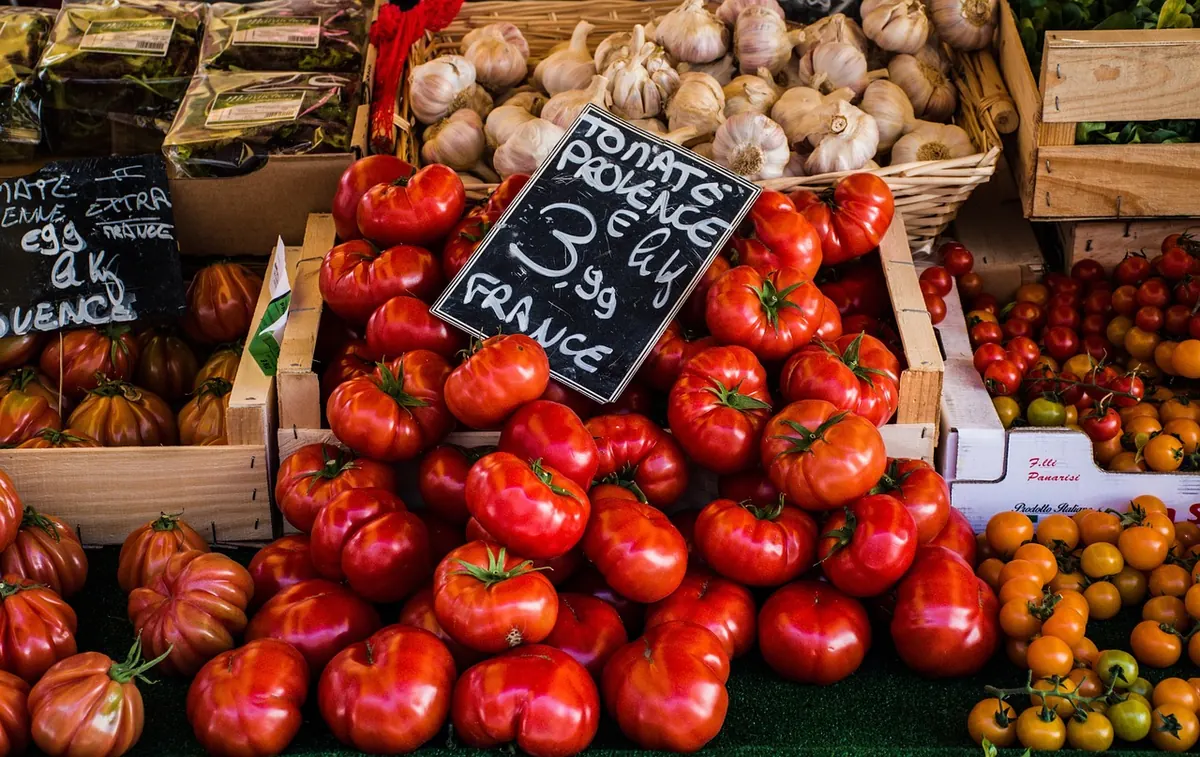
Kent Farmers' Markets: A Month-by-Month Checklist of What's in Season
Kent's market stalls follow the fields, not the calendar on the supermarket wall. In late April there is asparagus and very little else worth carrying home; by October the same trestle table is buried under Cox's apples, quince and Kentish cobnuts. Shopping to that rhythm is half the pleasure of a farmers' market — and it is easier when you know roughly what to expect before you set off.
What follows is a month-by-month guide to what Kent growers typically bring to market, plus the habits that make a Saturday morning run smoother. Treat the dates as a rough map rather than a promise. A cold spring can push asparagus back a fortnight; a warm September hurries the apples along. If a stall looks thinner than this guide suggests, the weather has had the final word.
January and February: roots, greens and a little patience
This is the quietest stretch, and the most honest. What's on the table has either been stored or grown through the cold, and it tends to be sturdy: leeks, kale, parsnips, swede, celeriac, cabbage, Jerusalem artichokes and long-keeping onions. Stored apples and pears are still good, especially russets, which hold their flavour far better than most supermarket fruit.
February lifts the mood. Purple sprouting broccoli arrives — thin, purple-stemmed spears that turn bright green in the pan — and forced rhubarb starts appearing, sharp and jewel-coloured. On the coast, Whitstable oysters are traditionally eaten in months with an R in them. If you're buying shellfish, ask the stallholder about provenance and follow any local harvesting notices.
March to May: green shoots, then asparagus
March is a bridging month. Purple sprouting broccoli is at its peak, salad leaves start coming in from under cover, and wild garlic appears in Kent's woodlands from late March — a good excuse to buy a bunch and make soup or pesto the same day.
Then comes the event the county waits for. The English asparagus season traditionally runs from St George's Day in late April to the summer solstice in June, and Kentish growers take it seriously. Buy spears that are firm and squeak when rubbed together, stand them upright in a little water in the fridge, and cook them the day you buy them if you can. Alongside them you'll find radishes, spring onions, the last of the rhubarb and the first tunnel-grown strawberries. By May there are broad beans, early peas, new potatoes and proper bunches of herbs.
June and July: cherries, soft fruit and the first flush
Kent is cherry country, and the season usually opens in mid to late June and runs through July. Look for darker varieties if you want depth of flavour, and buy more than you think you need — a punnet rarely survives the journey home. Strawberries, raspberries, gooseberries and currants follow quickly, and elderflower is there for cordial if you're willing to do the picking.
On the vegetable side, the market turns abundant: broad beans and peas, courgettes, beetroot, the first cucumbers and tomatoes from under cover, and salad leaves in every shade. It's also the best time of year to ask a grower what to do with something unfamiliar. They will usually tell you, and often add a cooking tip you'd never have thought of.
August and September: glut season
August is the month of plenty, and occasionally of too much. Plums, damsons and blackberries arrive, sweetcorn comes in, runner beans are at their best, and tomatoes finally taste of something. Early apples such as Discovery appear — sharp and fragrant, a sign of what's coming.
September is the real harvest month. The main apple and pear crop lands, along with Kentish cobnuts, traditionally gathered from late August and sold fresh in their green husks. You'll see hop bines around the county as the harvest gets underway; the hops themselves rarely reach a market stall, but dried cones sometimes do. Squash and the first quince arrive too. If you forage for mushrooms, stick to species you can identify with complete confidence, and never eat anything you're unsure about.
October to December: apples, game and the Christmas table
Autumn is when Kent's larder feels fullest. Apples and pears keep coming, quince and cobnuts are still around, and the roots return: celeriac, parsnips — which sweeten after a frost — Jerusalem artichokes and swede. Kale, leeks and cabbages hold the greens together, and game starts appearing on the meat stalls.
By November you'll find Brussels sprouts on the stalk, which keep far better than loose ones, and winter squash at its sweetest. December is short and focused: sprouts, parsnips, leeks, cabbage, stored apples, quince for membrillo, and whatever the game dealer has brought in. It's also the month to place an order if you want something specific for Christmas, because the best stalls sell out and regulars plan ahead.
Practical habits for market shopping
- Go early. The best produce and the shortest queues are in the first hour. Asparagus, cherries and cobnuts can be gone by mid-morning.
- Bring cash, but don't assume you need it. Many stalls now take cards; a few smaller ones still don't.
- Take bags and a cool bag. Meat, fish, cheese and soft fruit all benefit from being kept cold on the way home.
- Ask what's best this week. Growers will tell you honestly what's at its peak and what's nearly over.
- Buy gluts. When something is abundant and cheap, buy a box and freeze, pickle or jam it. Late summer is the time to fill a freezer.
- Check what kind of market you're at. Certified farmers' markets generally require stallholders to be the producers of what they sell, trading from within a set radius. It's a fair question to ask where a stall's produce was grown.
- Confirm days and locations before travelling. Market days shift with seasons, roadworks and holidays, so check ahead rather than turning up on the wrong morning.
Make a morning of it
A farmers' market is worth more than a quick shop. Go with a rough plan but leave room for what looks good — that is the whole point of buying seasonally. Take a walk, get a coffee, talk to the person who grew your dinner, and let the calendar do your menu planning for you.
One last habit worth building: buy a little more than you need when something is at its peak, and spend the afternoon preserving it. A jar of quince, a bag of frozen cherries or a bottle of elderflower cordial in February is a small, cheerful reminder of a good morning in Kent.
Photo: Lens_and_Light / Pixabay