Common Mistakes to Avoid When Visiting Canterbury Cathedral
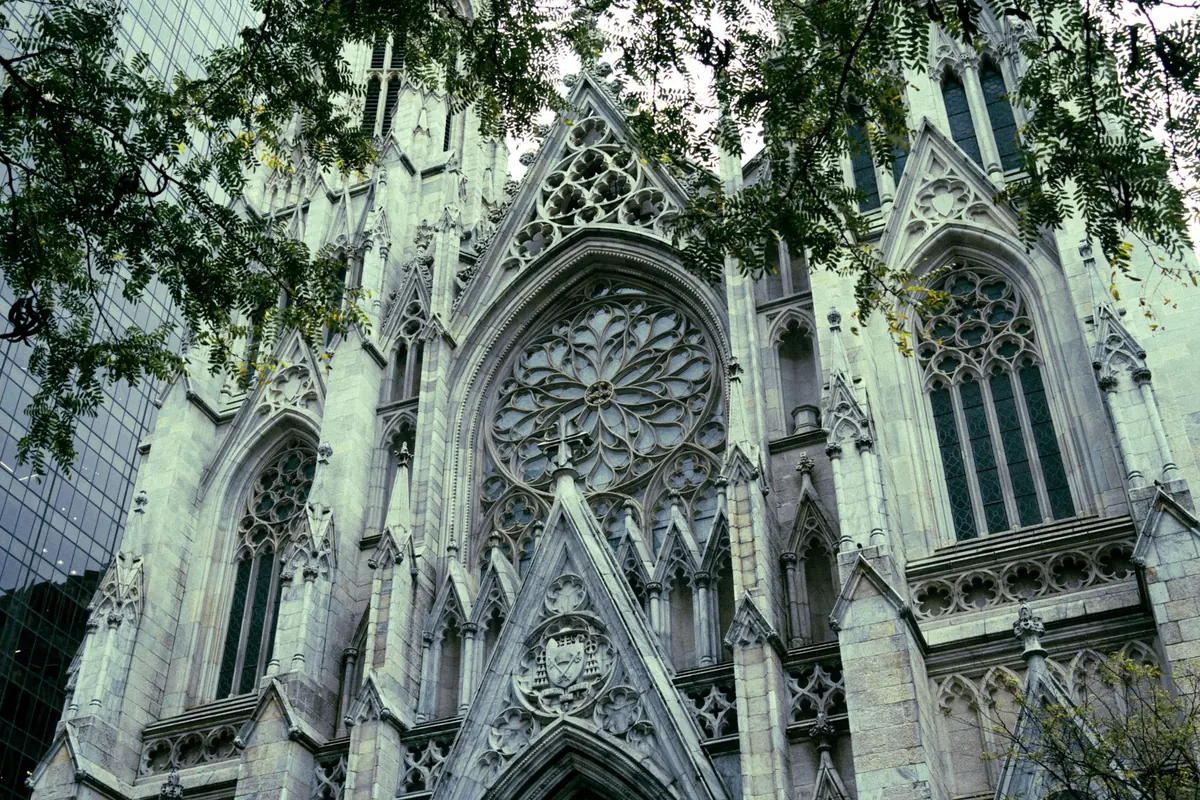
Walk through Christ Church Gate and the city's noise drops away within a few steps. You are in the Precincts now, and ahead of you stands one of the oldest and most visited cathedrals in Europe: a working church, a World Heritage Site, and the mother church of the Anglican Communion. Most visitors leave happy. But plenty lose an hour to the wrong queue, get waved away from a doorway mid-service, or realise too late that the calmest part of the day has already gone. None of it is difficult to avoid.
Turning up without checking the day's pattern
Canterbury Cathedral is not a museum with fixed hours. Its days are built around worship, and public visiting is fitted around it. On an ordinary day you can reasonably expect a long window for sightseeing, but festivals, concerts, graduations and special services can shorten or close visitor access at short notice. Christmas, Easter and graduation season are the ones to watch.
So check the cathedral's own website the evening before, and again on the morning of your visit. If the cathedral is the main reason you came to Canterbury, build the rest of your day around it rather than hoping to squeeze it in between other bookings. A twenty-minute check saves an afternoon of disappointment.
If you are buying a ticket in advance and timed entry is operating, arrive within your slot. Turning up three hours late on a busy summer Saturday is the quickest way to be turned away.
Getting the ticketing wrong
Two things catch people out. The first is assuming everyone pays. Worship is free. If you are coming to a Eucharist, Morning Prayer or Evensong, you are a worshipper rather than a sightseer, and you should not be buying a sightseeing ticket. Simply say what you have come for at the welcome desk.
The second is paying without knowing what the ticket covers. A visitor ticket generally covers the main route through the building, while tower tours, when they run, are usually booked separately and in limited numbers. Parts of the cathedral can also be closed while a service is happening.
Before you pay, it is worth asking:
- Does this ticket include everything I want to see, such as the crypt and the Chapter House?
- Are tower tours running today, and do I need a time slot?
- Can I leave for lunch and come back on the same ticket?
- Is anything closed for a service or event during my visit?
Staff at the desk answer these questions all day and would rather explain than have you discover a closed door later.
Breaking the photography rules
Photography for personal use is welcome across most of the cathedral, and the light through the medieval glass is why half the cameras come out in the first place. It is the method that causes trouble. Flash is out — it distracts people praying and is hard on historic fabric. Tripods, selfie sticks and anything that blocks a walkway are usually restricted, and drone flying over the Precincts is not something to attempt.
More importantly, photography stops during services. If a steward or a sign asks you to put the camera away, do that first and ask questions afterwards. Some chapels have their own rules, so read the small notices. And around the site of Becket's shrine in the Trinity Chapel, people come specifically to pray; a phone held up in someone's eyeline spoils that. Commercial filming and professional shoots need permission arranged well in advance, so sort it before you travel.
Forgetting it is a working church
The most common source of friction is treating the building as scenery. Services run throughout the day, often in the Quire and the crypt, and the congregation is not a backdrop. During worship the Quire and sometimes the surrounding aisles close to visitors, and the walking route through the building may change. Stewards will quietly redirect you; follow their lead.
Beyond that, the small things matter. Keep your voice low, silence your phone before you go in, and take calls outside. Eat and drink in the café, not the aisles. You do not need Sunday best, but hats off indoors and nothing that reads as beachwear is a decent rule. Large bags and luggage may be searched or refused, so leave suitcases at your hotel.
Missing the quiet hours
Late morning to mid-afternoon is the crush, particularly in summer and whenever coach parties are in the city. The first hour after opening and the last hour or so before visitor entry ends are noticeably calmer, and a winter afternoon can be very still indeed.
Evensong, the calmest hour of the day
Sung Evensong is the best-value experience in Canterbury and most visitors never plan for it. It is free to attend, usually lasts the better part of an hour, and lets you sit in the Quire of a building most people only walk through. Arrive ten or fifteen minutes early, sit where the stewards indicate, stay to the end, and leave the camera in your bag. If you are unsure of the etiquette, watch what everyone around you does and copy it.
Overlooking the practical details
Canterbury is small and walkable. Both stations, Canterbury East and Canterbury West, are a ten to fifteen minute walk from Christ Church Gate, and the city's park and ride services drop you inside the walls. The Precincts are cobbled and uneven in places, so sensible shoes beat new ones.
If you have mobility needs, contact the cathedral before your visit and ask about step-free routes and whether a wheelchair is available to borrow. The historic layout means some routes are easier than others, and planning ahead beats improvising at the door. Assistance dogs are welcome; other pets are not. Tower tours involve a long climb up narrow spiral stairs — wonderful if you like that sort of thing, and perfectly skippable if you do not.
Before you go: a quick checklist
- Check the day's service times and visitor opening hours on the cathedral's own site.
- Decide whether you are visiting to sightsee or to worship — it changes what you pay.
- Book a timed slot or tower tour in peak season if they are offered.
- Silence your phone, pocket the flash, and carry a small bag.
- Aim for the first hour or the last hour of the day.
Turn up with a rough plan and the building does the rest. Give it an hour, sit somewhere quiet for ten minutes of it, and you will understand why people have been making this journey for centuries.
Photo: Martii Tolentino / Pexels